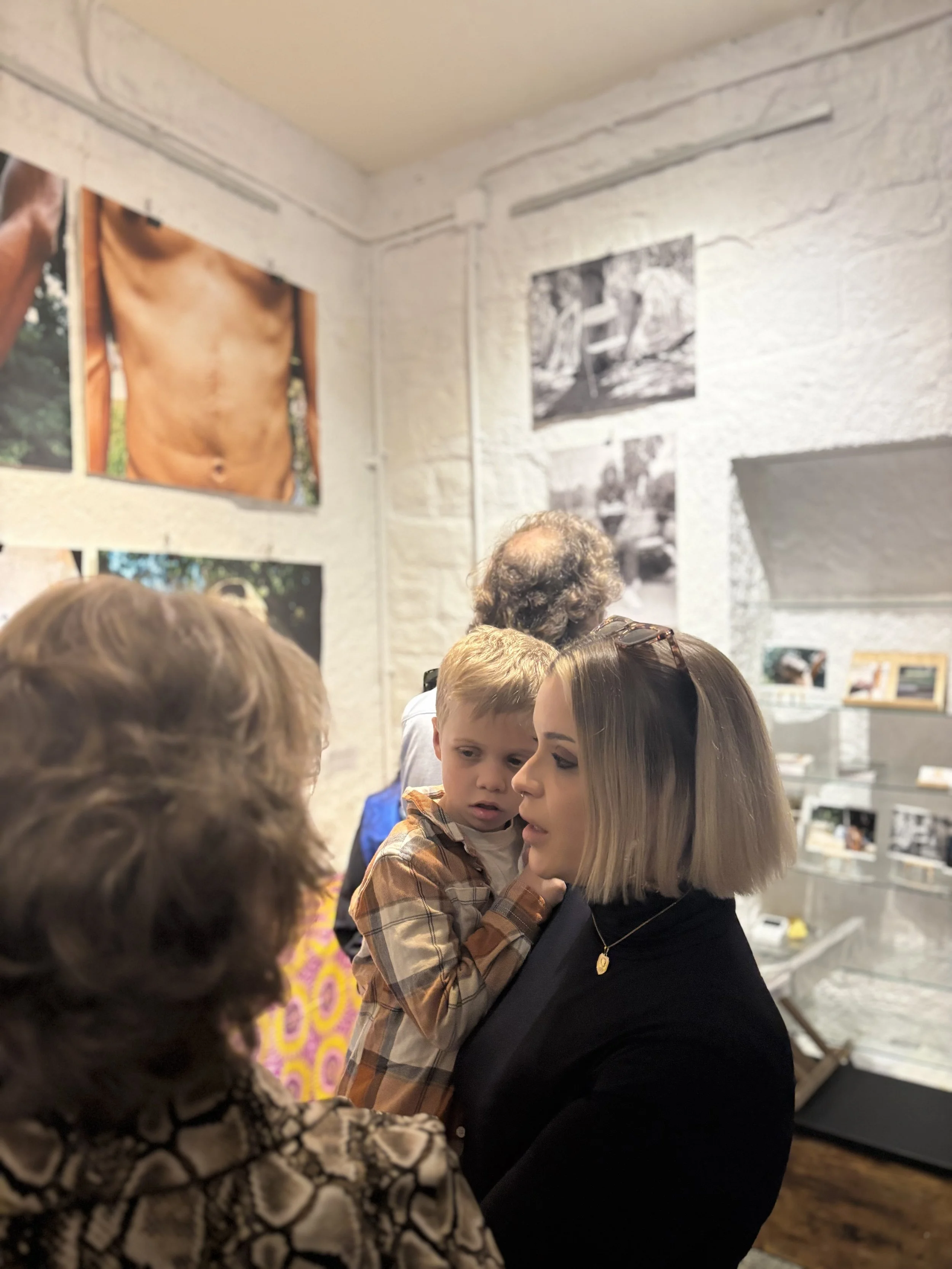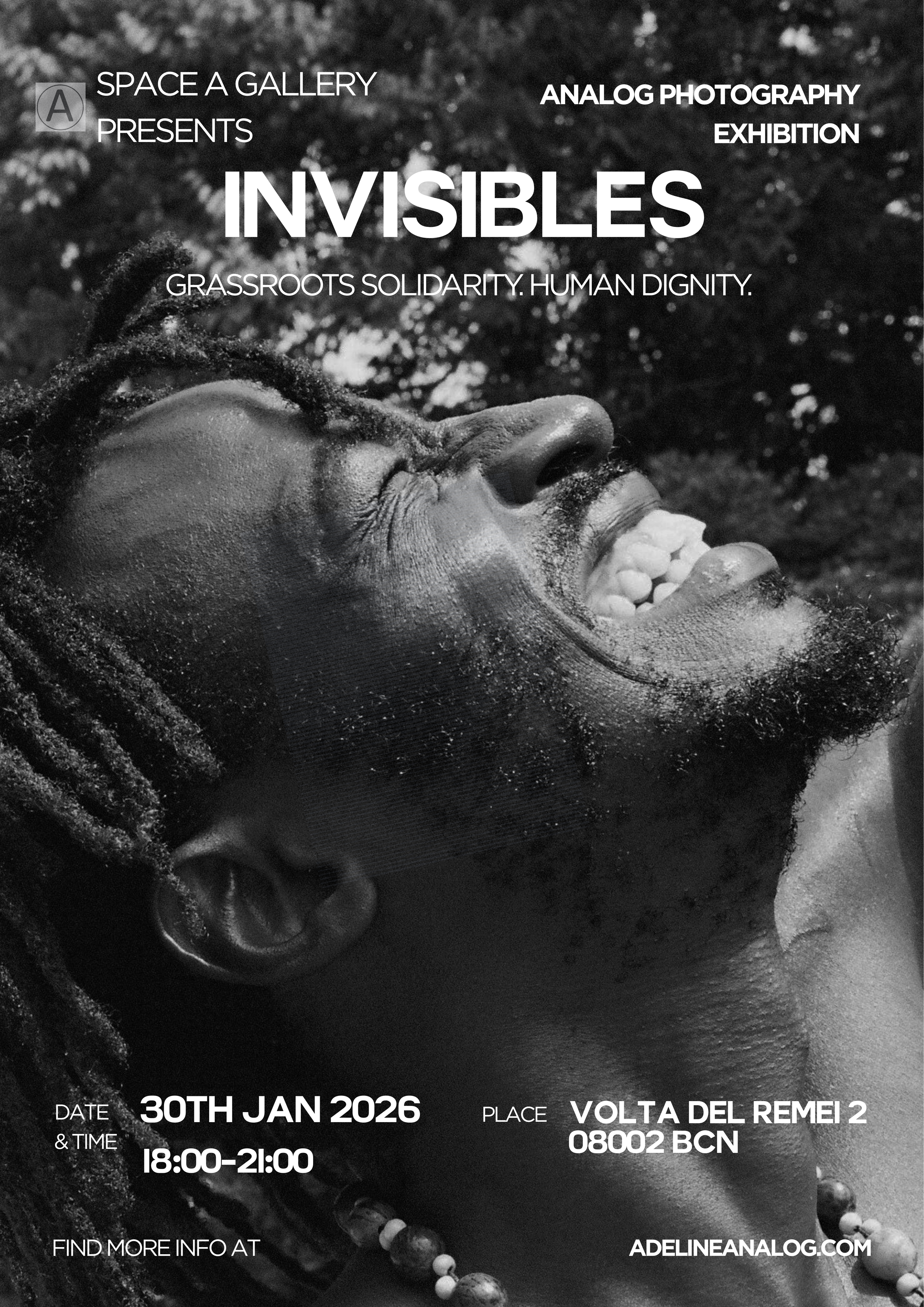
Exhibition opens the 30th January at 18:00 and will run until the 7th of April 2026.
SpaceA Gallery is open:
Monday/Tuesday/Thursday 12pm-3pm
Wednesday/Friday 4pm-7:30pm
Private viewings by appointment.
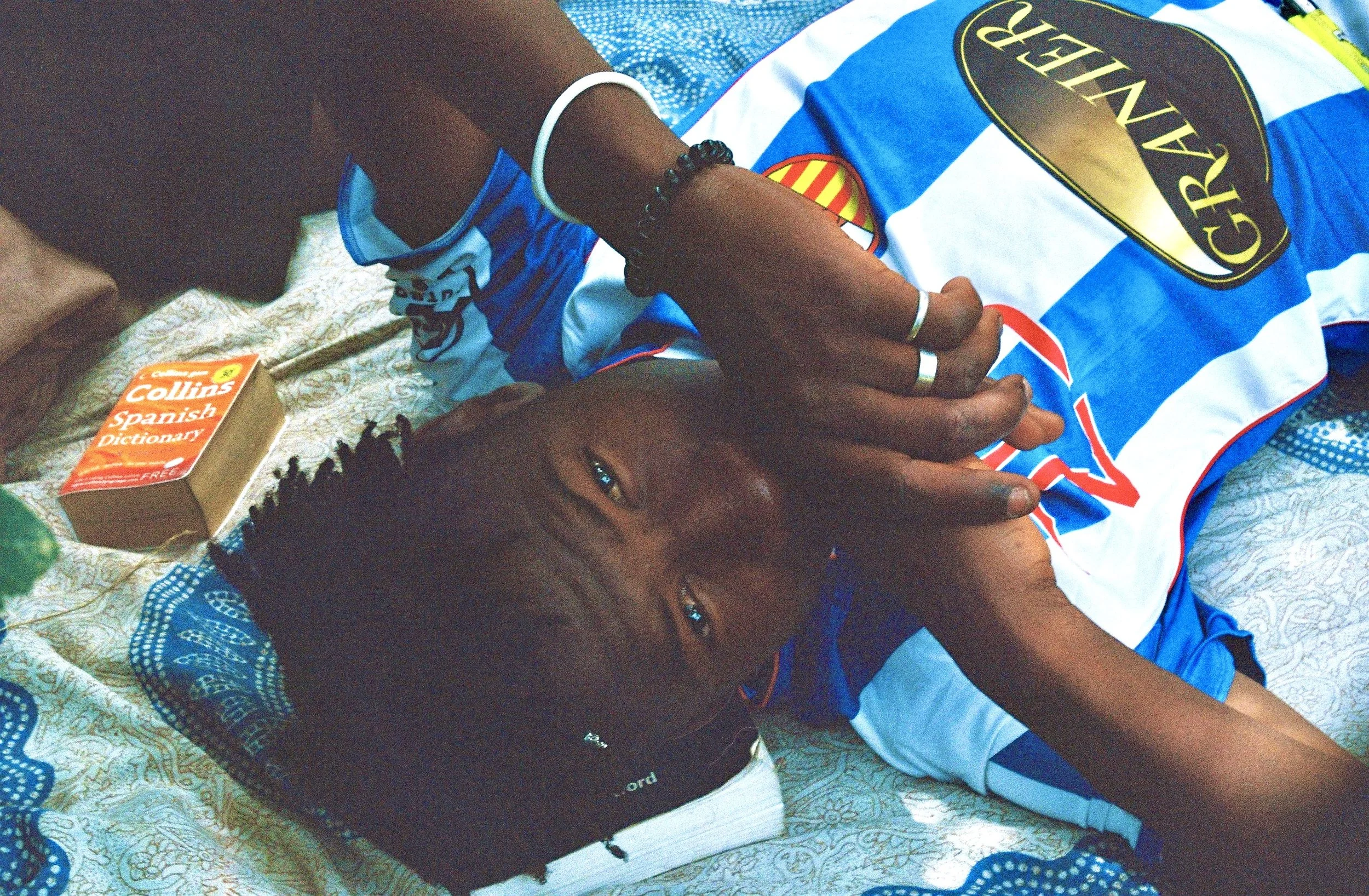
La Cocina Ciutadella
We were walking home from school one afternoon, passing through the park the way we always did, when my eldest son stopped and pointed toward a group of men sitting behind a cluster of tents tucked between the trees.
“Who are they?” he asked.
I didn’t answer.
Not because I didn’t know, but because I was lost for words as to how to explain to a 5 year old a world that allows people to disappear in plain sight. No explanation felt truthful enough. No word could carry the weight of what he was seeing.
“They’re our neighbours,” he said.
These men were living just metres from our home, separated from us by an invisible border, one built from fear, indifference, and policy. I realised how easily we learn to look away, how quickly suffering becomes background noise when it does not interrupt our routines.
The next day I walked through the park again, alone this time. Simply as a woman who needed to be able to answer her child honestly.
I approached the camp unsure of how I would be received. People living on the margins grow used to being stared at - inspected, questioned, judged. Yet I was met with calmness, with warmth, with something that felt painfully familiar.
They welcomed me in.
We spoke. And the next day we spoke again. Slowly, through presence rather than intention, trust grew. They told me about the lives they had left behind, about journeys across land and sea that stripped them of safety and certainty. They spoke of borders that closed long before they were reached, of systems designed to delay, exhaust, and discourage.
They spoke of heartbreak, of families fractured by distance, of children growing older without them, of the humiliation of surviving day to day in a society that insists on calling them temporary.
They spoke of hunger.
Not only the hunger for food, but the hunger to belong. To work. To contribute. To live with dignity instead of apology.
They spoke of their mothers.
Women they could not tell the truth to. Women who still believed their sons were safe, settled, successful. Women they protected from their pain, the same way mothers protect children, by carrying the burden themselves.
I listened to them, and I felt something instinctive take hold of me.
I was raised to believe that if someone is hungry, you feed them. If someone is cold, you warm them. If someone is hurting, you sit beside them. You share what you have. You give what you can. And most importantly that motherhood does not stop with blood.
That is how La Cocina Ciutadella was born.
There was no plan. No funding. No language of impact or strategy. I cooked warm meals at home, brought them to the park, served the food myself, and stayed. We sat together. We ate together. .
Food became a form of care - a way to restore dignity in a world that had taken so much from them.
Little by little, others joined. Friends cooked beside me. Family helped transport food. Local businesses donated supplies. Neighbours brought what they could. What began as a single pot on my stove grew into a collective act of refusal.
Within a few months, more than eighty warm meals were being shared each week.
Later, private donations helped sustain the initiative, and eventually a grant from Esperança allowed it to continue for most of the year.
La cocina ciutadella was born in my heart and in my kitchen.
It was also born from absence.
From the failure of institutions.
From policies that criminalise survival.
From a Europe that speaks endlessly of human rights while allowing men to sleep hungry in its parks.
This was never only about food.
It was about mothering where the system would not, choosing care in a landscape designed for neglect.
About refusing to accept that some lives are disposable simply because they crossed the wrong line on a map.
When my son asked me who our neighbours were, he was not asking a political question.
He was asking a human one.
My responsibility as a mother meant I could not teach him to look away.
They are not statistics.
They are not problems to be managed.
They are sons.
And once you sit beside them and share a meal, you cannot pretend otherwise.